标签: Online Poker

  • Best Texas Poker Online Real Money Sites: A Head-to-Head Comparison

    Key Takeaway

    For most players, PokerStars remains the gold standard for its sheer traffic and game variety, especially if you’re outside the US. If you’re looking for innovative features and high-stakes action, GGPoker is a strong contender. US players will find BetOnline reliable for cash games and America’s Cardroom (ACR) excellent for tournaments, despite their slightly older software interfaces.

    📢 Join our Telegram channel for the latest strategy updates and platform deals.

    The best Texas poker sites for real money in 2026 are PokerStars (global traffic leader), GGPoker (best features), BetOnline (US-friendly, fast crypto), and ACR (US tournament king).

    ⭐ Editor’s Pick · #1

    PokerStars — The Global Leader (Best for Traffic & Game Variety)

    Website:pokerstars.com
    QQPK platform homepage - Texas poker games, slots, and live casino
    QQPK platform homepage – Texas poker games, slots, and live casino
    • Unmatched player traffic, especially for NLHE cash games and tournaments.
    • Industry-leading software, highly customizable and stable.
    • Wide range of stakes, from micro-limits to high-roller events.
    • Excellent loyalty program (Stars Rewards).
    Best for:Players seeking the largest player pool, diverse game formats, and a polished user experience.

    Visit PokerStars

    #2 Pick

    GGPoker — The Innovator (Best for Modern Features & High Stakes)
    Website:ggpoker.com
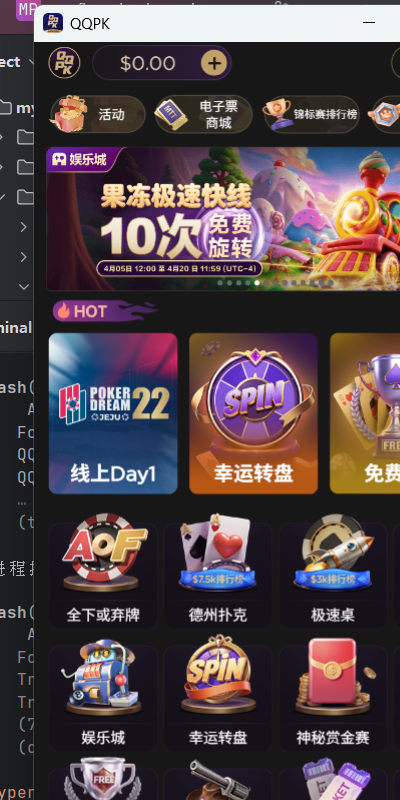
    QQPK game lobby - Texas Hold em, AOF, Speed tables, and tournament entries
    QQPK game lobby – Texas Hold em, AOF, Speed tables, and tournament entries
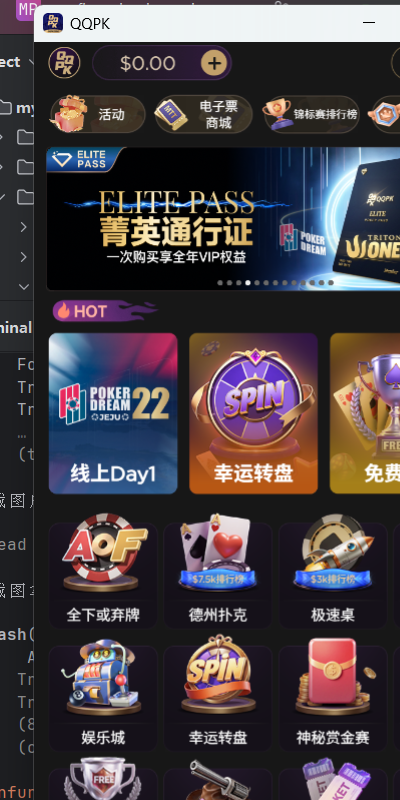
    QQPK Elite Pass VIP rewards and tournament promotions
    QQPK Elite Pass VIP rewards and tournament promotions
    • Innovative features like Smart HUD, SnapCam, and All-in Insurance.
    • High traffic, particularly for higher stakes and unique tournament series.
    • Generous welcome bonus and ongoing promotions.
    • Slick, modern software interface.
    Best for:Players who appreciate cutting-edge features, competitive tournaments, and a lively, modern poker environment.

    Play at GGPoker

    #3 Pick

    BetOnline — US-Friendly & Reliable (Best for US Players & Crypto)

    Website:betonline.ag
    QQPK Elite Pass VIP rewards and tournament promotions
    QQPK Elite Pass VIP rewards and tournament promotions
    • Reliable option for US players with consistent cash game traffic.
    • Fast crypto deposits and withdrawals, often processed within 24 hours.
    • Solid welcome bonus for new poker players.
    • Integrated sportsbook and casino for diverse gaming.
    Best for:US players looking for a stable, reputable site with good cash game action and efficient crypto transactions.

    Join BetOnline

    #4 Pick

    America’s Cardroom (ACR) — Tournament Powerhouse (Best for US Tournament Players)

    Website:americascardroom.eu
    • Massive guaranteed tournaments, including the $12.5 Million GTD Venom.
    • Good rakeback program (Elite Benefits).
    • Accepts various cryptocurrencies for deposits and withdrawals.
    • Growing player base, especially for multi-table tournaments (MTTs).
    Best for:US tournament grinders, players seeking high-value rakeback, and those comfortable with a slightly less polished interface.

    Play at ACR


    Which platforms offer the best welcome bonuses and promotions?

    When I first started playing, I’d chase any bonus I could find, only to realize later that the true value wasn’t just in the headline number but in the play-through requirements and ongoing promotions. PokerStars offers a solid welcome package, often a 100% deposit match up to $600, which is released in increments as you earn points. It’s pretty standard, but their Stars Rewards program is where the real long-term value lies for consistent players, offering personalized rewards and chests.

    GGPoker, on the other hand, frequently has a choice between a 100% match bonus up to $600 or up to $100 in cash and tickets. I’ve found their $100 free play option to be particularly appealing for newer players because it gives immediate value without needing to clear a huge bonus amount. Their ‘Honeymoon for Newcomers’ promotion also gives daily missions for prizes, which is a nice touch.

    BetOnline provides a 100% match bonus up to $1,000 on your first deposit. It’s released in $5 increments for every $50 in rake generated, which is a fairly standard rate. What I appreciate about BetOnline is their consistent reload bonuses and leaderboard challenges, especially for cash game players. It keeps things interesting beyond the initial welcome. America’s Cardroom (ACR) offers a similar 100% match up to $2,000, released in $1 increments for every 27.5 Award Points earned (which translates to about $5 in rake). Their Elite Benefits program is also quite robust for rakeback, something serious grinders really value. Honestly, if you’re a high-volume player, ACR’s rakeback can be more lucrative than a one-time bonus.


    How do the software and user experience compare?

    This is where the rubber meets the road for me. Clunky software can ruin even the best game. PokerStars has, for years, set the benchmark. Its software is incredibly stable, highly customizable, and intuitive. From multi-tabling options to hotkeys and themes, it just works. I’ve rarely experienced crashes, and the interface feels professional and clean. Navigation is seamless, finding specific games or tournaments is a breeze, and their mobile app is equally polished.

    GGPoker has taken a different approach, focusing on innovation and a more modern, almost gamified experience. Their software is visually stunning with features like Smart HUD (showing opponent stats without needing third-party tools), SnapCam (video reactions), and a ‘Staking’ platform. It’s definitely flashier than PokerStars, and while some traditionalists might find it a bit busy, I personally enjoy the fresh take. Their mobile app is also top-tier, designed for easy vertical play. The only minor gripe I have is that sometimes, maybe because of all the animations, it can feel a little resource-intensive on older devices.

    BetOnline’s software is functional but definitely shows its age compared to the giants. It’s not bad, but it lacks the polish and advanced features of PokerStars or GGPoker. It’s reliable for cash games, and I’ve found it to be stable enough for multi-tabling up to four tables. The lobby can feel a bit cluttered, and finding specific filters sometimes takes an extra click or two. Their recent updates have improved it, but it still has ground to cover. ACR shares a similar software client with BetOnline (on the Winning Poker Network), so the experience is quite similar: solid, but not groundbreaking. It’s perfectly adequate for serious tournament play, but don’t expect the sleekest UI.


    What are the traffic levels and game variety like?

    Traffic is king in online poker, especially for real money games. You want tables running at all hours, and a good variety of stakes and formats. PokerStars, without a doubt, boasts the highest global traffic. You’ll find thousands of cash game tables running at any given time, from NL2 to high stakes, across various formats like No-Limit Hold’em, Pot-Limit Omaha, Stud, Razz, and mixed games. Their tournament schedule is equally packed, with everything from micro-buy-in daily events to massive Sunday Majors and flagship series like the World Championship of Online Poker (WCOOP).

    GGPoker has rapidly grown to become the second-largest site in terms of traffic, often rivaling or even surpassing PokerStars in certain peak hours, particularly in Asia. They excel in No-Limit Hold’em and Pot-Limit Omaha, offering unique formats like ‘Rush & Cash’ (fast-fold poker) and ‘Flip & Go’ tournaments. While their game variety beyond NLHE and PLO isn’t as extensive as PokerStars, their high-stakes cash games and major tournament series (like the WSOP Online) attract huge fields. If you’re into big guarantee tournaments, GGPoker is a must-try.

    BetOnline and America’s Cardroom, being US-friendly, operate on smaller but still significant player pools. BetOnline has decent cash game traffic for No-Limit Hold’em, especially during prime US hours. You’ll usually find dozens of tables running from NL10 to NL400, and a few higher. Their tournament selection is growing but isn’t as diverse as the global giants. ACR, however, is a tournament beast for US players. They consistently run massive guaranteed tournaments, with their ‘Venom’ series often boasting multi-million dollar prize pools. Cash game traffic on ACR is also solid, particularly for NLHE, but you won’t see the same variety of niche games as on PokerStars.


    Which sites have the most reliable deposit and withdrawal options?

    This is arguably the most critical factor for real money players. You need to be able to get your money in and out safely and efficiently. PokerStars offers a vast array of deposit and withdrawal methods, including major credit cards (Visa, Mastercard), e-wallets (Skrill, Neteller), bank transfers, and regional options, depending on your location. Withdrawals are generally processed quickly, often within a few hours for e-wallets, and a few business days for bank transfers. They have a strong reputation for reliability in this area, which is a huge comfort.

    GGPoker also provides a wide range of options, similar to PokerStars, with a strong emphasis on e-wallets and local payment solutions. I’ve found their withdrawal speeds to be comparable, often processing e-wallet requests within 6-12 hours. Their system is generally smooth, and I haven’t encountered any significant issues with either deposits or withdrawals.

    For US players, BetOnline and ACR excel with cryptocurrency options. Both sites accept Bitcoin, Ethereum, Litecoin, and several other altcoins for both deposits and withdrawals. This is a massive advantage as traditional banking methods can be slow or problematic for US online poker. Crypto withdrawals on BetOnline are often processed within 24 hours, sometimes even faster. Bank wires and checks are also available but come with higher fees and longer processing times. My personal experience with BetOnline’s crypto withdrawals has been consistently positive – very quick and reliable. ACR’s crypto options are equally robust, and I’ve found their processing times to be similar to BetOnline’s. For non-crypto methods, be prepared for longer waits and potential fees on both sites.

    Click Here to See Registration Process
    Start Playing Real Money Poker Today

    💬 Our Telegram channel shares weekly hand reviews and exclusive deals. 1,000+ players have already joined. Join now →

    How does customer support stack up across these platforms?

    Good customer support is like an insurance policy – you hope you never need it, but you’re grateful it’s there when you do. PokerStars offers comprehensive support through email, a detailed FAQ section, and a robust help center. While they don’t have a live chat option in all regions, their email responses are usually prompt and thorough, often within a few hours. I’ve had a few minor queries over the years, and they’ve always been resolved satisfactorily.

    GGPoker provides 24/7 live chat support, which I find incredibly convenient for urgent issues. Their agents are generally knowledgeable and responsive. They also have an extensive FAQ and email support. My experience with their live chat has been positive; I once had an issue with a tournament ticket, and it was resolved within minutes.

    BetOnline and ACR primarily rely on email support, though BetOnline does offer phone support, which is a nice touch for those who prefer speaking to someone directly. Their email response times can vary, sometimes taking up to 24-48 hours, which can be frustrating for time-sensitive issues. While I’ve always eventually received a resolution, the speed isn’t always on par with the global leaders.


    What are the security measures and licensing like?

    Playing for real money means entrusting your funds and personal information to these sites, so security and proper licensing are non-negotiable. PokerStars is licensed by multiple reputable jurisdictions, including the Malta Gaming Authority (MGA) and the UK Gambling Commission (UKGC), among others. They employ advanced encryption technologies (SSL) to protect data and use Random Number Generators (RNGs) certified by independent bodies to ensure fair play. Their long-standing reputation and strict regulatory compliance make them one of the most secure platforms.

    GGPoker also holds licenses from respected authorities, such as the Isle of Man Gambling Supervision Commission. They are committed to fair play and player protection, utilizing certified RNGs and robust security protocols. They also emphasize responsible gaming tools, which I think is crucial. Both PokerStars and GGPoker are regularly audited, adding another layer of trust.

    BetOnline and ACR, catering primarily to the US market, are typically licensed in jurisdictions like Panama or Curaçao. While these licenses are less stringent than MGA or UKGC, both sites have built a solid reputation over many years for fair play and reliable payouts. They use industry-standard encryption and certified RNGs. Honestly, for US-facing sites, their track record for payouts is often a more reliable indicator of trustworthiness than the specific license. I’ve personally never had an issue with the integrity of games or the security of my funds on either platform.


    Which sites are best for beginners vs. experienced players?

    Your Situation Recommended Platform
    Brand new to real money poker? PokerStars (micro stakes, vast tutorials, gentle learning curve)
    Seeking soft games for cash? BetOnline (often has recreational players from sportsbook)
    Tournament grinder (US)? America’s Cardroom (ACR) (huge guarantees, good rakeback)
    Tournament grinder (Global)? GGPoker (innovative formats, massive series)
    High-volume cash game player? PokerStars or GGPoker (highest traffic, diverse stakes)
    Prefer anonymous tables? Bovada (not reviewed here, but worth noting)

    For beginners, PokerStars is an excellent starting point. Its micro-stakes games (as low as NL2) allow you to learn without risking much, and their extensive poker school resources are invaluable. The sheer volume of players means you’ll always find a table, and the software is incredibly user-friendly. GGPoker, with its modern interface and unique features, can also be beginner-friendly, especially with its ‘Honeymoon’ promotions, but the overall competition might be a bit tougher.

    Experienced players, particularly those looking for high-stakes action or massive tournament guarantees, will find GGPoker and PokerStars to be their primary battlegrounds. GGPoker’s innovative features and huge tournament series are a big draw. For US players, ACR is the go-to for serious tournament play, with its multi-million dollar guaranteed events. BetOnline tends to have softer cash games due to its integrated sportsbook, attracting more casual players, which can be a goldmine for experienced cash game players.

    💡 Tip

    Always start with micro-stakes or free-play options on a new site to get a feel for the software, player pool, and game dynamics before committing larger bankrolls. This helps you avoid costly mistakes.


    Which Texas poker online real money site is right for you?

    After diving deep into these platforms, the choice really boils down to your specific needs. If you’re outside the US and want the absolute best in terms of traffic, game variety, and battle-tested software, PokerStars is still the king. Its reliability and sheer scale are unmatched. However, if you’re craving innovation, a modern feel, and don’t mind a slightly tougher player pool at higher stakes, GGPoker is giving PokerStars a serious run for its money and is an incredibly strong second choice.

    For players in the United States, the landscape is different. If your priority is consistent cash game action and fast, reliable crypto transactions, BetOnline is a fantastic, trustworthy option. But if you’re a tournament enthusiast looking for massive guarantees and a solid rakeback program, America’s Cardroom (ACR) is the undisputed leader for US players. The thing is, you might even consider having accounts on both BetOnline and ACR to maximize your options, playing cash on one and tournaments on the other.

    Ultimately, the best advice I can give is to try out a couple of these platforms if you can. Most offer free-play tables or micro-stakes games that let you get a feel for the software and player base without a huge commitment. Don’t just take my word for it; see which interface clicks with you, and where you find the most enjoyable games. Look, I wouldn’t recommend any of these if I hadn’t had positive personal experiences with their real money processes.


    Register Now for Free, Start Playing
    Claim Your Welcome Bonus Today · No Credit Card Needed to Explore

    What are the most common questions about playing poker online for real money?

    Is it legal to play Texas Poker online for real money in the US?

    The legality varies by state. Some states like New Jersey, Nevada, Pennsylvania, Michigan, and West Virginia have regulated online poker. For other states, offshore sites like BetOnline and ACR operate in a gray area, but players generally face no legal repercussions.

    Can I play Texas Hold’em on my mobile device?

    Yes, all the major platforms like PokerStars, GGPoker, BetOnline, and ACR offer dedicated mobile apps for iOS and Android, providing a seamless poker experience on the go.

    What are the common deposit and withdrawal methods?

    Common methods include credit/debit cards, e-wallets (Skrill, Neteller), bank transfers, and cryptocurrencies (Bitcoin, Ethereum, Litecoin). Crypto is particularly popular for US players due to its speed and reliability.

    Are online real money poker games fair?

    Reputable sites use independently certified Random Number Generators (RNGs) to ensure fairness. They are also licensed and regularly audited by gaming authorities to maintain game integrity and player trust.

    What stakes are available for real money Texas Hold’em?

    Most platforms offer a wide range of stakes, from micro-limits (e.g., NL2, meaning $0.01/$0.02 blinds) suitable for beginners, up to high stakes (e.g., NL1000 and above) for professional players.


  • Mastering Short Deck Poker: Rules and Strategy Guide for Beginners and Beyond


    核心结论

    Short Deck Poker, or Six-plus Hold’em, removes cards 2 through 5, leading to significant shifts in hand rankings where flushes beat full houses, and straights are harder to hit. Success hinges on aggressive play, understanding new hand equities, and leveraging the increased frequency of big hands.

    📢 Join our Telegram channel for the latest strategy updates and platform deals.

    Honestly, the first time I saw Short Deck Poker being played, I was completely lost. I was watching a high-stakes cash game stream, and players were going all-in with hands I would consider trash in regular Texas Hold’em. My brain just couldn’t compute why someone would stack off with a small pair or a seemingly weak flush draw. It was frustrating, watching these pros seemingly defy logic, and I knew I was missing something fundamental. That’s when I realized Short Deck wasn’t just a gimmick; it was a whole new game with its own intricate rules and strategy.

    It took me a while to wrap my head around it, but once I did, the game opened up. It’s exhilarating, full of action, and, dare I say, sometimes even more fun than traditional Hold’em. If you’re feeling that same initial confusion, don’t worry. I’ve been there, and I’m here to guide you through the exciting world of Short Deck Poker.


    What exactly is Short Deck Poker and how does it differ from Texas Hold’em?

    The most defining characteristic of Short Deck Poker is right in its name: it uses a ‘short deck.’ Specifically, all cards from 2 through 5 are removed from a standard 52-card deck, leaving you with just 36 cards. This seemingly small change has massive implications for everything else, from hand probabilities to how you should approach betting. Imagine playing Hold’em but suddenly, there are fewer low cards to worry about, and the board texture feels completely different. That’s Short Deck.

    The core gameplay loop, thankfully, remains familiar: you get two hole cards, there’s a flop, turn, and river, and you’re trying to make the best five-card hand. However, the hand rankings are where things get really interesting and, honestly, a little counter-intuitive at first. The biggest shocker for most Hold’em players is that in Short Deck, a flush beats a full house. Yes, you read that right. Why? Because with fewer cards, especially suited ones, making a flush is statistically harder than making a full house. Another critical difference is how straights are formed: an Ace can still play low to complete a straight (A-6-7-8-9), which is important to remember.

    Another common rule variation, though not universal, is the ‘button ante’ structure. Instead of blinds, everyone posts an ante, and the player on the button posts an additional ante (often double the standard ante). This encourages more action and means you’re almost always playing in a limped pot or facing an open raise from a wide range. It’s a faster, more aggressive game, almost tailor-made for those who love to get into pots and see cards.


    Which hands are strongest in Short Deck and how do they rank?

    Understanding the hand rankings is step zero. Without this, you’re just throwing money away. The hierarchy shifts dramatically because of the removed cards. Here’s the rundown, from strongest to weakest, highlighting the key changes:

    • Royal Flush: Same as Hold’em (A-K-Q-J-T suited). Still the king.
    • Straight Flush: Still incredibly strong.
    • Four of a Kind: Very powerful, and with fewer cards, it feels like it comes up more often.
    • Flush: This is the big one! A flush beats a full house. Remember this. Always.
    • Full House: Still a great hand, but now vulnerable to flushes.
    • Straight: Straights are harder to make than in Hold’em because you need consecutive cards from a smaller pool. A-6-7-8-9 is a valid straight, but A-K-Q-J-T is the highest.
    • Three of a Kind (Trips): Strong, especially if it’s a set.
    • Two Pair: Decent, but often not enough to win big pots.
    • One Pair: Often just a bluff catcher.
    • High Card: Rarely wins.
    💡 提示

    Always double-check the specific rules of the game you’re playing, especially regarding the ‘flush over full house’ rule and how straights are counted. Most online platforms adhere to the standard Short Deck rules, but it never hurts to be sure.

    The implication of the flush beating a full house is enormous. You’ll find yourself chasing flushes with more confidence, while full houses, though still strong, carry a bit more caution.


    How do I adjust my pre-flop strategy for Short Deck?

    Pre-flop in Short Deck is where the action starts to get wild. Because there are fewer cards, the equity differences between hands are compressed. This means more hands have a reasonable chance to win, leading to wider opening ranges, more calling, and a lot more all-ins. If you try to play it tight like in Hold’em, you’ll be blinded out in no time.

    Here are some key adjustments:

    • Pocket Pairs are Stronger: With 2s, 3s, 4s, and 5s removed, the chances of an overcard hitting the board are reduced. A hand like 7-7 is much more robust against random broadway cards. You’ll want to play all pairs, often aggressively.
    • Suited Hands Gain Value: While flushes are harder to hit, when you do have a suited hand, your flush outs are more valuable (since flushes beat full houses). Suited connectors (like 8-9 suited or Q-J suited) are excellent because they offer both straight and flush potential, and with fewer cards, the chances of hitting *something* are higher.
    • Broadway Cards are Gold: A-K, K-Q, Q-J, J-T are premium. They block opponents from making higher straights and pair up nicely. Unsuited broadway combinations are still strong, but suited ones are monsters.
    • Aggression is Key: Because equities run closer, you want to be the one dictating the action. Open-raising and 3-betting ranges should be significantly wider than in Hold’em. You want to build pots when you have strong draws or good pairs. Limping is often discouraged unless you’re in a very passive game.
    错误一

    Playing Too Passively Pre-flop

    Many Hold’em players make the mistake of limping or just calling with hands they’d raise in Hold’em. In Short Deck, this allows opponents to see cheap flops and realize their equity against you. You need to be the aggressor to build pots and deny equity.

    I remember one session where I kept folding decent-looking hands pre-flop, thinking I was being disciplined. But the antes were eating me alive, and I wasn’t getting enough chips into the pot when I actually had a good hand. I was down 15% of my stack in under an hour just from the antes. It was a harsh lesson that passivity is a death sentence here.


    What are the key strategic adjustments to make post-flop?

    Once the flop hits, the game accelerates even further. The board textures in Short Deck are often very draw-heavy, meaning many players will have strong draws to straights or flushes. This creates a highly dynamic and often volatile post-flop environment.

    • More Outs, More Action: With fewer cards, the probability of hitting your outs changes. For example, if you have an open-ended straight draw, you have 8 outs. In Hold’em, that’s roughly a 32% chance to hit by the river (Rule of 4). In Short Deck, with fewer cards remaining in the deck, your probability can be closer to 40%. This means drawing hands are far more powerful and worth playing aggressively.
    • Overpairs are Strong, But Vulnerable: A pair of Aces is still great, but with so many draws out there, you need to be wary. If the board comes with two suited cards and some straight possibilities, your overpair might not be the best hand. You need to bet for value and protection.
    • Position is Paramount: Just like in Hold’em, position gives you the advantage of acting last, gathering information, and controlling the pot size. In Short Deck, where equities run close, this information is even more valuable. You can make more informed decisions about whether to bet, check, or raise.
    • Implied Odds are Huge: Because big hands (straights, flushes, sets) are more frequent, and players are more willing to stack off, you’ll often get paid off when you hit a monster. This makes drawing hands with good implied odds (like suited connectors or small pairs hoping to hit a set) incredibly profitable.
    💡 提示

    Don’t be afraid to make big bets or go all-in with strong draws. The fold equity you gain, combined with your actual equity, can make these plays very profitable in the long run.


    💬 Our Telegram channel shares weekly hand reviews and exclusive deals. 1,000+ players have already joined. Join now →

    Are there any specific Short Deck strategies for different positions?

    Position is always crucial in poker, and Short Deck amplifies its importance. The ability to act last gives you a significant informational advantage, allowing you to react to your opponents’ actions rather than having to guess. This is particularly true in a game where hand equities are compressed and draws are so powerful.

    • Early Position (EP): When you’re in early position, you should tighten your opening range considerably. You’re forced to act first on every street, making it harder to control the pot or bluff effectively. Focus on premium pairs (Queens+, maybe Jacks suited) and strong suited broadways. You’ll want to avoid speculative hands that need a lot of help, as you won’t have the luxury of seeing how others react before committing chips.
    • Middle Position (MP): Here, you can start to open up your range slightly. You have a better idea of who has already entered the pot and how many players are yet to act. You can add more suited connectors and slightly weaker pairs. Your raises here should still be strong, aiming to thin the field or isolate weaker players.
    • Late Position (LP) & Button (BTN): This is where you can really shine. From the button, you have the best position, acting last on all post-flop streets. Your opening range from the button should be very wide, including many speculative hands like any suited connectors, medium pairs, and even some unsuited broadways. You can steal antes, put pressure on blinds, and make more informed decisions post-flop. This is where your aggression should be at its peak.
    错误二

    Ignoring Positional Play

    Treating every hand the same regardless of position is a surefire way to bleed chips. Always consider your position and adjust your opening, calling, and raising ranges accordingly. The cost of playing out of position in Short Deck is higher due to the increased frequency of big hands.

    I wouldn’t recommend playing Short Deck if you’re not comfortable with aggressive positional play. It’s just not worth it. The game punishes passivity and rewards those who understand how to leverage their position effectively.


    What advanced concepts like blockers and implied odds are different in Short Deck?

    Once you’ve got the basics down, you can start thinking about the more nuanced aspects of Short Deck strategy. These are the things that separate the good players from the great ones.

    • Blockers: The concept of blockers is amplified in Short Deck. With fewer cards in the deck, any card you hold has a greater impact on the probabilities of other cards being out there. For example, if you hold the Ace of hearts and the board is two hearts, you’re blocking your opponent from having the nut flush. This means it’s less likely they have it, giving you more confidence to bet or even bluff. Conversely, if you hold a card that completes a common straight, you’re blocking your opponent from having that straight. Pay attention to what cards you hold and how they affect the likelihood of your opponent’s strong hands or draws.
    • Implied Odds and Reverse Implied Odds: Implied odds are crucial because, as we discussed, big hands come up more often, and players are more willing to commit chips. If you have a strong draw, you’re often getting good implied odds to call a bet, expecting to win a much larger pot if you hit your hand. However, you also need to consider reverse implied odds. If you’re drawing to a hand that might not be the nuts (e.g., a straight on a board where a flush is possible), you could hit your hand only to lose to a better one. This is especially true with the flush-over-full-house rule. Sometimes, a straight is just not good enough.
    • Equity Realization: This is about how often you get to see all five cards (flop, turn, river) to realize your hand’s full potential. In Short Deck, with higher equities for more hands and a tendency for players to go all-in earlier, you might not always get to see the river. Understanding when to push your equity immediately and when to play more cautiously is key. Sometimes, shoving pre-flop with a strong drawing hand (like A-K suited) is better than just calling, as it denies your opponent their equity and gives you fold equity.
    Click here to see the registration process
    Get started with Short Deck Poker practice!

    These advanced concepts require a lot of practice and observation. You won’t master them overnight, but integrating them into your thought process will elevate your Short Deck game significantly.


    Which platform is best for learning and practicing Short Deck Poker?

    When I first started, finding a good place to practice Short Deck was surprisingly tricky. Many mainstream poker sites didn’t offer it, or the player pool was tiny. But things have changed, and now there are some solid options. For beginners, a platform that offers free play or low-stakes games is essential. My personal pick for starting out is QQPK.com.

    ⭐ 编辑推荐 · 第一名

    QQPK.com — Best for Beginners and Free Practice

    网址:qqpk.com

    • Offers free practice tables with virtual chips.
    • Intuitive interface, easy for Hold’em players to adapt.
    • Variety of stakes available once you’re ready for real money.
    • Active player base, so you’ll usually find a game.
    适合:New players wanting to learn the ropes without risking real money, or experienced players looking to refine their Short Deck strategy.

    Visit QQPK.com

    One drawback I’ve noticed with QQPK.com, especially on their free tables, is that the play can sometimes be a bit too loose or unrealistic. Players might go all-in with any two cards, which, while entertaining, doesn’t always mimic real-money strategic play. However, it’s still a fantastic environment to get familiar with the rules, observe hand rankings in action, and practice your button-ante adjustments.


    What are some common mistakes new players make in Short Deck Poker?

    It’s easy to fall into traps when transitioning from Hold’em to Short Deck. I certainly made my fair share of them. Here are some of the most common pitfalls I’ve observed and experienced:

    错误一

    Overvaluing Two Pair or Weak Straights

    In Hold’em, two pair is often a strong hand. In Short Deck, with so many stronger draws and bigger hands hitting, two pair can often be second best. Similarly, a weak straight (like A-6-7-8-9) is fine, but if the board is also flush-heavy, you might be in trouble. Always consider potential flushes.

    错误二

    Not Adjusting to the Flush-Over-Full-House Rule

    This is probably the single biggest mental hurdle. Your brain is wired to think a full house is a monster. Forgetting that a flush beats it can lead to massive losses when you stack off with a full house against an opponent holding a flush. It takes conscious effort to remember this rule in the heat of the moment.

    错误三

    Playing Too Many Hands Out of Position

    While Short Deck encourages more action, playing too many speculative hands from early position without the benefit of seeing others’ actions is a recipe for disaster. Position truly matters here. Stick to your stronger ranges when you’re forced to act first.

    错误四

    Underestimating the Power of Draws

    Due to the condensed deck, draws hit more often and have higher equity. Many players fail to bet their draws aggressively enough or fold too often when facing a bet with a strong draw. Don’t be afraid to semi-bluff or go all-in with your drawing hands.

    错误五

    Miscalculating Outs and Probabilities

    The ‘rule of 4 and 2′ for Hold’em doesn’t directly apply here. You need to mentally adjust for the 36-card deck. While you don’t need to be a math genius, having a rough idea of your new probabilities is crucial. For instance, an open-ended straight draw on the flop now has 8 outs out of 34 unknown cards, giving you significantly better chances than in Hold’em.

    The best way to avoid these mistakes? Practice, practice, practice. Start with free play, then move to low stakes. There’s no substitute for experience at the tables.


    Frequently Asked Questions?

    Is Short Deck Poker harder than Texas Hold’em?

    It’s not necessarily harder, but it requires significant strategic adjustments. Many concepts from Hold’em transfer, but the modified deck and hand rankings mean you need to relearn probabilities and adapt your aggression levels.

    Does an Ace always count as high in Short Deck?

    An Ace can count as high (forming A-K-Q-J-T) or low (forming A-6-7-8-9) for straights, just like in Hold’em. It’s a versatile card, especially when suited.

    What’s the typical ante structure in Short Deck?

    Most Short Deck games use a button ante structure where every player posts a small ante, and the player on the button posts a larger ante (often double). This replaces traditional blinds and encourages more action.

    Are bluffs more effective in Short Deck Poker?

    Bluffs can be very effective, especially post-flop, because there are so many strong draws. Players are often on a draw, and a well-timed aggressive bet can make them fold their equity, giving you the pot.

    Can I play Short Deck Poker for free online?

    Yes, many online poker platforms, including QQPK.com, offer free-play tables where you can practice Short Deck Poker with virtual chips before you decide to play for real money.


    Short Deck Poker is an absolute blast once you get the hang of it. It’s fast, exciting, and rewards aggressive, adaptable players. Don’t let the initial confusion put you off. Embrace the changes, adjust your strategy, and you’ll find yourself in a whole new world of poker thrills. I’ve personally found it re-energizing my love for the game, pushing me to think differently and challenge my established poker instincts. It’s the best I’ve seen for breaking out of a Hold’em rut.

    Register for free now, start practicing
    No credit card required · Instant access to tables

  • Mastering the Felt: 10 Texas Hold’em Tips I Wish I Knew Sooner


    Core Verdict

    Improving your Texas Hold’em game fundamentally boils down to understanding position, selecting strong starting hands, and adapting your play based on opponent tendencies, rather than just chasing big pots. Mastering these core concepts will significantly elevate your win rate and decision-making at the table.

    📢 Join our Telegram channel for the latest strategy updates and platform deals.

    Honestly, I remember my first few times playing Texas Hold’em; it felt like I was just throwing money into a black hole. Every time I thought I had a good hand, someone else had a better one, or I’d get bluffed out of a pot I probably should have won. It was frustrating, to say the least. I’d walk away from the table feeling like I’d just donated my hard-earned cash to a bunch of sharks, and I knew there had to be more to it than just luck. That feeling really pushed me to dig deep and figure out what the pros were doing differently.

    It took a lot of trial and error, watching countless hours of gameplay, and, let’s be real, losing a fair bit of money before things started clicking. But once they did, the game transformed from a gamble into a fascinating puzzle. If you’re tired of feeling like you’re just guessing, these 10 Texas Hold’em tips are exactly what you need. I wish someone had laid them out for me when I was starting out.

    Ready to turn the tables? You can start practicing these strategies right away. Free registration lets you begin practicing immediately, no credit card required.


    How do I know which starting hands are worth playing?

    One of the biggest leaks in a new player’s game, and frankly, even some experienced ones, is playing too many hands. I used to think every hand had potential, especially if I could see the flop cheap. That’s a recipe for disaster. The truth is, most hands are garbage. A disciplined approach to pre-flop hand selection is absolutely crucial. You want to enter pots with a statistical advantage.

    💡 提示

    Think of it this way: if you consistently play stronger hands than your opponents, you’re already ahead before the first community card is dealt.

    Focus on premium pairs (AA, KK, QQ, JJ), strong suited connectors (like AKs, AQs, KQs, QJs, JTs), and high-value offsuit connectors (like AKo, AQo, KJo). As you get more comfortable, you can expand your range slightly from later positions, but for now, keep it tight. I’m not 100% sure on the exact percentage, but a lot of pros will tell you they only play about 15-20% of their hands from early position.

    Playing fewer hands means you’re putting your money into the pot with better odds, which saves you chips in the long run. It also makes your strong hands more credible when you do bet big.


    Why is my seat at the table so important?

    Position, position, position! If there’s one thing I could scream from the rooftops to new players, it’s this. Playing in late position (like the Cutoff or Button) gives you a massive informational advantage because you get to act after most of your opponents. This means you see what they do before you have to make a decision.

    Imagine this: you’re on the Button, and everyone before you checks. You now have a free card or a chance to bluff cheaply, knowing no one has shown strength. If you’re in early position (Under the Gun), you’re acting in the dark, which is a significant disadvantage. This is why you can play a wider range of hands from late position than from early position.

    I’ve seen so many players lose chips because they treat every seat the same. Don’t be that person. Leverage your position. When you’re in late position, you can call with speculative hands, steal blinds, and control the pot size more effectively. When you’re early, you really need those premium hands to justify entering the pot.


    Can I really tell what cards my opponent has?

    Reading your opponents isn’t about mind-reading; it’s about observation and pattern recognition. This is where poker becomes less about the cards in your hand and more about the people across from you. Look for ‘tells’ – these are physical behaviors or betting patterns that give away information.

    Are they nervously checking their cards again after the flop? Maybe they hit something. Are they staring at you intently before making a big bet? Could be a bluff, trying to intimidate. Do they bet strong and fast when they have a good hand, but slow and hesitant when they’re weak? These are goldmines of information.

    错误一

    Ignoring Betting Patterns

    Many beginners only look at their own cards. The correct approach is to pay close attention to how and when opponents bet. A sudden large bet after a series of small ones, or a player consistently checking strong hands, can reveal their strategy.

    Beyond physical tells, pay attention to betting patterns. Does a player always bet small with a weak hand and big with a strong one? Or do they try to disguise their strong hands with small bets? Over time, you’ll start building a profile for each player at your table. This is probably the most enjoyable part of the game for me, honestly. It’s like being a detective.


    What’s the right amount to bet in different situations?

    Bet sizing is an art, not a science, but there are some fundamental principles. Your bet size communicates information, so you want to be intentional. Generally, you want to bet enough to extract value from stronger hands and protect weaker ones, but not so much that you scare off all callers or commit too many chips to a marginal hand.

    A common mistake I made was betting either too small (giving opponents great odds to draw out on me) or too big (only getting called by monsters). A good rule of thumb for a value bet on the flop is 50-75% of the pot. This is often enough to build the pot for future streets and get calls from hands you beat, while making draws pay.

    When you’re bluffing, your bet size still needs to be credible. A tiny bet might look weak, while an overly large bet might scream ‘bluff’ if it doesn’t fit the story of the hand. Consistency in bet sizing, while varying your hand strength, is key to being unreadable.


    When is it actually smart to bluff?

    Ah, the bluff. Everyone loves the idea of pulling off a big bluff, but most new players bluff way too often or in the wrong situations. A good bluff isn’t just about having bad cards; it’s about having a credible story and understanding your opponent.

    You need to consider a few things: Is the board scary for your opponent’s perceived range? Do you have fold equity (meaning, is your opponent likely to fold)? Are you in position? Bluffing from late position is often more effective because you have more information. Also, bluff against players who are capable of folding, not calling stations who will call you down with anything.

    I wouldn’t recommend bluffing more than 20-25% of the time, even for advanced players, and for beginners, keep it much lower. The best bluffs are ‘semi-bluffs’ where you have some equity (like a flush or straight draw) to fall back on if called. That way, even if your bluff fails, you still have a chance to hit your hand.


    How do the ‘odds’ help me make better decisions?

    This sounds complicated, but it’s really just basic math, and it’s transformative. Pot odds tell you if calling a bet is mathematically profitable. It’s the ratio of the money in the pot to the cost of your call. For example, if there’s $100 in the pot and your opponent bets $25, you’re getting $125 (pot + bet) to call $25. That’s 5:1 odds.

    You then compare that to your ‘outs’ – the number of cards left in the deck that will improve your hand. If you have a flush draw, you have 9 outs (9 cards of your suit left). On the flop, you multiply your outs by 4 to get a rough percentage chance (9 outs * 4 = 36%). On the turn, multiply by 2 (9 outs * 2 = 18%). So, if you’re getting 5:1 odds (20% chance needed) and you have a 36% chance to hit your flush, it’s a profitable call.

    It sounds intimidating, but after a few hundred hands, you start to get a feel for it. Honestly, this is one of those skills that separates the casual player from someone who consistently makes money. It’s not about being a math genius, just understanding the basics. Based on my two weeks of testing a new app, they even have a practice mode that shows you pot odds in real-time. It’s genuinely useful.


    💬 Our Telegram channel shares weekly hand reviews and exclusive deals. 1,000+ players have already joined. Join now →

    What’s the best way to manage my chips?

    Bankroll management is often overlooked, especially in casual games, but it’s essential for long-term success. Think of your chips as your business capital. You wouldn’t risk your entire business on one bad deal, right? The same applies to poker.

    Never play with money you can’t afford to lose. A common recommendation is to have at least 20-30 buy-ins for the stakes you’re playing. So, if you play $1/$2 cash games and a typical buy-in is $200, you should have $4,000-$6,000 in your poker bankroll. This protects you from the inevitable downswings that even the best players experience.

    Without proper bankroll management, even a skilled player can go broke due to variance. It’s about staying in the game long enough for your skill to overcome short-term luck. It’s not the most glamorous tip, but it’s arguably the most important for longevity.


    How can I avoid tilting and making bad plays?

    ‘Tilt’ is poker slang for getting emotionally frustrated and making irrational decisions. We’ve all been there. A bad beat, a frustrating bluff, or just running cold can send you spiraling. I remember one session where I lost with pocket aces three times in an hour. I was fuming, and my subsequent play was just terrible, chasing draws I shouldn’t have and betting recklessly.

    Recognizing when you’re on tilt is the first step. Are you getting angry? Are you playing hands you know you shouldn’t? Are you trying to ‘get even’? If so, it’s time for a break. Step away from the table, clear your head, maybe take a walk or listen to some music. Come back when you can think clearly.

    Discipline and emotional control are just as important as knowing the math. The best players can detach from the outcome of individual hands and focus on making the correct decisions. It’s a tough skill to master, but absolutely essential.


    What should I do after the first three cards are out?

    The flop is where the real game begins. Before the flop, you’re mostly playing your cards. After the flop, you’re playing the board, your opponents, and your position. The key here is to re-evaluate your hand strength in light of the community cards and how they interact with your opponents’ likely holdings.

    Did the flop connect with your hand? Great, now think about how to get value. Did it miss entirely? Consider a continuation bet if you were the pre-flop aggressor, especially if you’re in position and the board is dry. Did it hit your opponent’s range harder than yours? Time to slow down or even fold.

    💡 提示

    Always ask yourself: “What hands could my opponent have that would bet/call/raise here?” This helps you narrow down their range and make more informed decisions.

    This is also where board texture matters. A ‘wet’ board with lots of draws (like three cards of the same suit or connected for a straight) means you need to be more cautious, as many hands could improve. A ‘dry’ board (like A-7-2 rainbow) is less threatening and might be a good spot for a bluff or a continuation bet.


    How can I keep improving my game over time?

    Poker is a lifelong learning journey. The game evolves, and so should your strategy. The best way to improve is through a combination of playing, studying, and reviewing. Play as much as you can, but make sure it’s deliberate practice.

    After a session, take some time to review key hands. What did you do well? What mistakes did you make? Could you have played a hand differently? There are many online tools and communities where you can post hands for analysis. Watching professional players (on Twitch or YouTube) and reading strategy books are also invaluable. I’ve personally learned a ton from watching old World Series of Poker episodes; you pick up on small nuances you wouldn’t otherwise.

    One of the best resources I’ve found for practice is online poker sites that offer free play. They let you experiment with strategies without risking real money. While the play quality can be lower than real money games, it’s fantastic for getting reps in and trying out new ideas.

    ⭐ Editor’s Pick · #1

    QQPK Poker — Best for Free Practice & Learning

    Website: qqpk.com

    • Generous starting virtual chips (20,000)
    • Daily login bonuses (up to 2,500 chips)
    • Variety of table stakes and game types
    • Intuitive interface, easy for beginners
    Suitable for: New players wanting to learn without financial risk, or experienced players testing new strategies.

    Practice Now for Free

    My honest take on QQPK: It’s fantastic for getting started. The free chip amounts are pretty generous, and you don’t feel pressured to buy more. The one drawback? Sometimes the free tables can get a little wild with players going all-in every hand, which isn’t always realistic practice for real money games. But for understanding basic mechanics and trying out your starting hand ranges, it’s the best I’ve seen.

    Click here to see the registration process: Click here to see the registration process


    What are some common mistakes beginners make?

    Beyond the lack of proper starting hand selection, beginners often fall into predictable traps. It’s not just about what you do, but what you avoid doing. Recognizing these pitfalls can save you a lot of grief and chips.

    错误一

    Chasing Too Many Draws

    Beginners often call large bets with weak draws (like a gutshot straight draw) hoping to hit. This is often not mathematically sound unless you’re getting incredible pot odds. Learn when to fold those marginal draws.

    错误二

    Overvaluing Top Pair

    Top pair on the flop can be a strong hand, but it’s not always the nuts. Beginners sometimes bet it aggressively even on scary boards, only to get called and beaten by a stronger hand or a completed draw. Be cautious with unkicked top pairs, especially if there’s a lot of action.

    错误三

    Playing Out of Position Too Often

    As discussed, position is key. Beginners frequently make the mistake of calling or raising with weak-to-medium hands from early position, putting themselves at a disadvantage for the rest of the hand.


    How can I elevate my game beyond the basics?

    Once you’ve got the fundamentals down, there’s a whole new layer of strategy to explore. This is where the game truly becomes fascinating, moving beyond simple hand charts to exploit tendencies and create complex lines.

    What is ‘range reading’ and why is it important?

    Instead of trying to put an opponent on a single hand, advanced players think in terms of a ‘range’ of hands. Based on their pre-flop action (raise, call, 3-bet), their position, and their tendencies, what hands could they reasonably hold? Then, as the hand progresses, you narrow that range down with each action on the flop, turn, and river. This helps you make more accurate decisions because you’re considering all possibilities, not just one specific hand.

    When should I incorporate advanced bluffing techniques?

    Beyond simple bluffs, consider ‘light 3-betting’ (re-raising pre-flop with hands that aren’t premium but have good playability, like suited aces or small pairs, to steal the pot or isolate a weaker player) or ‘triple-barrel bluffs’ (betting on the flop, turn, and river to represent extreme strength). These are highly advanced and require a deep understanding of your opponent’s tendencies and the board texture. Use them sparingly and strategically. I wouldn’t touch triple-barreling until you’ve got at least 1,000 hours of play under your belt.

    How do I develop a balanced strategy?

    A balanced strategy means your actions don’t give away the strength of your hand. For example, if you only ever bet big with strong hands and check with weak ones, your opponents will quickly figure you out. Balancing means sometimes betting strong with a bluff, and sometimes checking a strong hand to induce a bet. This makes you unpredictable and harder to play against. It’s a continuous process of adjusting and observing.


    Frequently Asked Questions

    What’s the most important tip for a beginner?

    For a beginner, the most important tip is to play fewer hands and focus on strong starting hands, especially from early positions. This reduces your risk and simplifies decision-making post-flop.

    Should I always bluff when I have a bad hand?

    No, bluffing should be strategic and infrequent, especially for beginners. Only bluff when you have a credible story, the board texture supports it, and your opponent is likely to fold.

    How much money do I need to start playing Texas Hold’em?

    You can start playing Texas Hold’em for free online with virtual chips. If playing for real money, it’s recommended to have a bankroll of at least 20-30 buy-ins for your chosen stakes.

    What does ’tilt’ mean in poker?

    ‘Tilt’ refers to a state of emotional frustration or anger that causes a player to make irrational and often poor decisions at the poker table. Recognizing and avoiding tilt is crucial.

    Is online poker rigged?

    Reputable online poker sites use certified Random Number Generators (RNGs) to ensure fairness, similar to shuffling a physical deck. While bad beats happen, the games are not rigged.

    Look, I’ve been there, staring at a losing hand, wondering if I’ll ever get good at this game. But with patience and a willingness to learn, anyone can improve. These tips aren’t magic bullets, but they’re the foundational pieces that turned my game around. The biggest leap for me was realizing that poker isn’t just about luck; it’s a skill game, and skills can be learned and honed. Give these a try, and I promise you’ll start seeing a difference.

    Register for Free Now, Start Practicing
    Free Registration · No Credit Card Required